

Most real progress in small business doesn’t feel exciting while it’s happening.
It doesn’t look like a breakthrough. It doesn’t come with applause. Most of the time, it feels almost disappointingly boring.
And yet, when you look at businesses that survive longer than five years — the ones that grow steadily instead of chaotically — they almost always made the same unsexy decisions early on.
They built systems.
Not because they wanted to. Because eventually, they had to.
This isn’t a hype piece. It’s a pattern you start seeing once you’ve watched enough businesses operate up close.
When the Business Lives in Your Head, You Become the Bottleneck
In the beginning, the business is you.
You remember which clients are serious. You remember who still hasn’t paid. You remember which lead came from where and which vendor can wait a few extra days.
That mental juggling act feels like control.
But it’s not. It’s fragility.
The moment volume increases — more customers, more invoices, more moving parts — cracks form:
-
You forget to follow up with a warm lead
-
An invoice goes out late
-
A customer assumes you don’t care
-
Cash flow feels random even when sales are up
At this stage, owners usually say:
“I just need to work harder and catch up.”
That works for about three weeks.
After that, the problem isn’t effort. It’s that memory doesn’t scale.
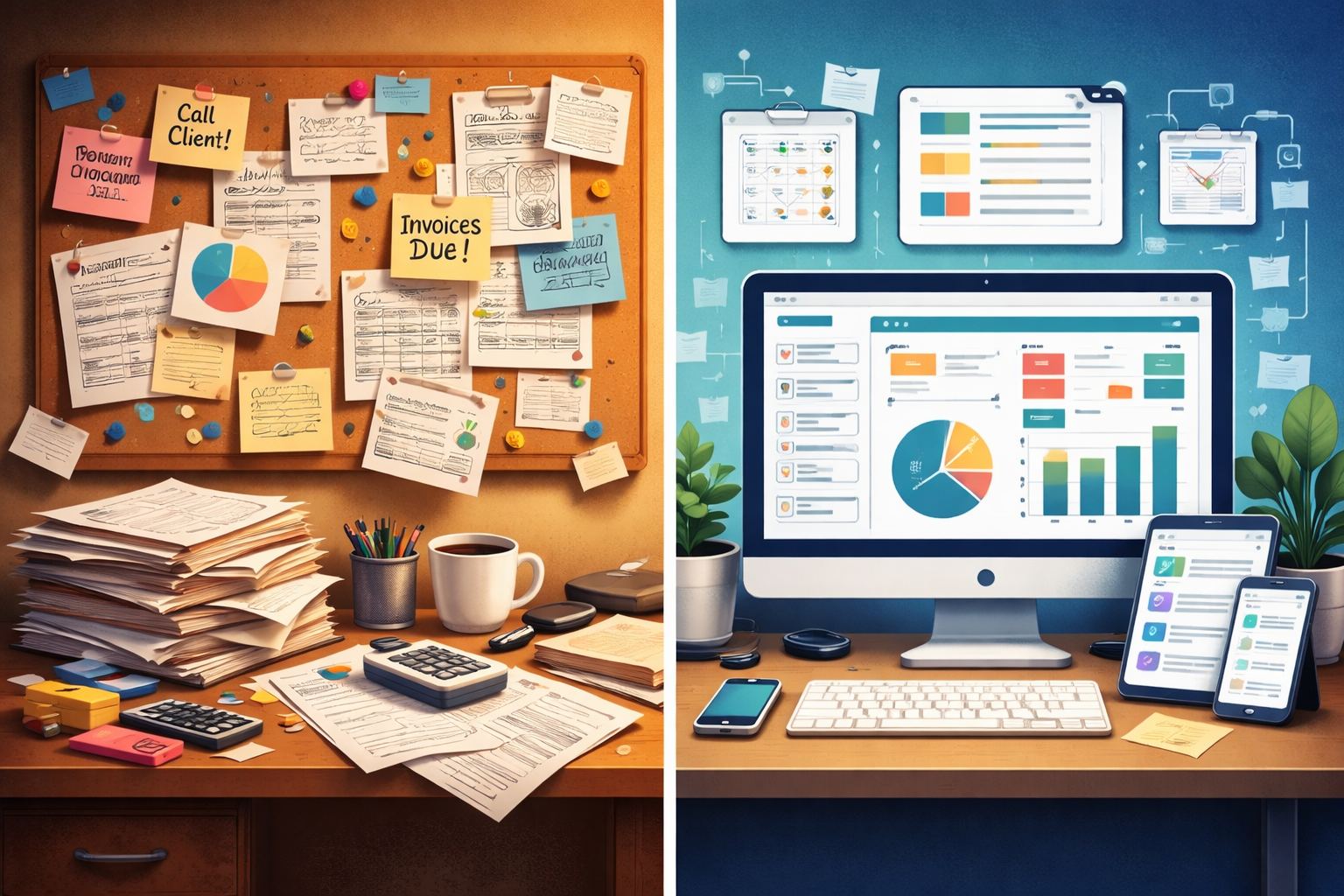
The First Boring Upgrade: Getting Things Out of Your Head
Every stable business goes through the same transition.
Information moves out of the owner’s head and into a system.
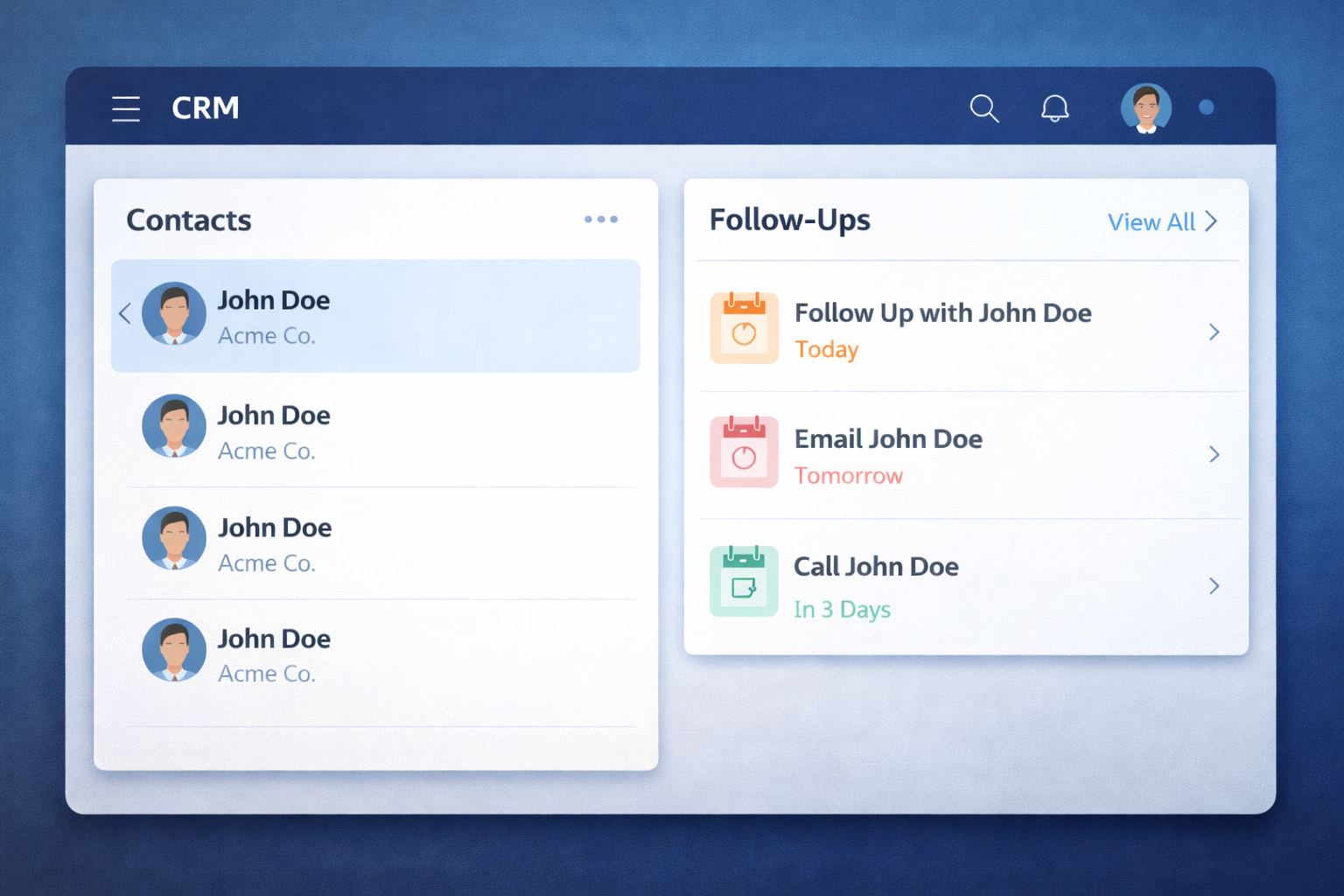
For many, that first system is a CRM.
Not because they suddenly care about pipelines — but because they’re tired of losing track of conversations.
Once contacts, emails, notes, and follow-ups live in one place, something subtle changes:
-
You stop guessing who to call next
-
Follow-ups happen on time
-
Customers feel remembered
Nothing dramatic happens.
Revenue doesn’t double overnight.
What does happen is quieter: fewer dropped balls.
And fewer dropped balls compound.
Why CRMs Feel Like Overkill — Until They Suddenly Aren’t
Almost every small business owner resists CRMs at first.
Common thoughts:
-
“This feels corporate.”
-
“I’ll outgrow it later.”
-
“It’s faster if I just do it myself.”
All of that is true — until the day it isn’t.
That day usually comes when:
-
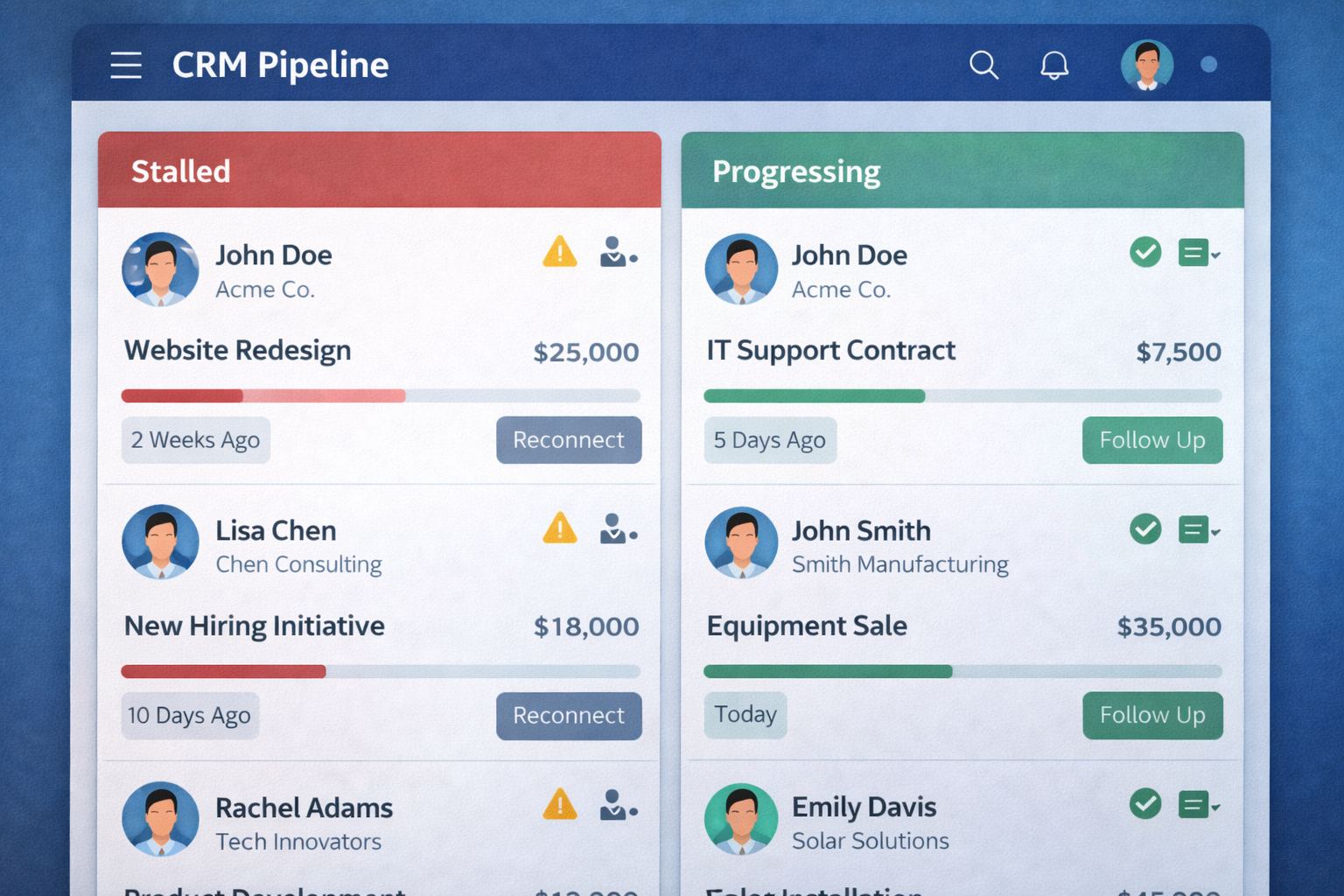
You forget to reply to someone important
-
Two people on your team contact the same customer
-
A deal you thought was moving forward disappears
CRMs don’t create sales.
They prevent losses you never see.
That’s why businesses that adopt them early often feel calmer — even if they can’t quite explain why.
Money Is Where Things Usually Break First
Sales problems are obvious.
Cash problems are sneaky.
Most small businesses don’t fail because they aren’t profitable on paper.
They fail because timing works against them.
Money goes out now. Money comes in later.
Rent, payroll, inventory, software — all immediate.
Customer payments? Eventually.
Without visibility, owners rely on:
-
Bank balance anxiety
-
Gut feeling
-
Hoping nothing unexpected happens
That’s not strategy. That’s survival mode.
The Second Boring Upgrade: Seeing Cash Flow Before It Hits
At some point, mature businesses stop asking:
“How much money do we have?”
And start asking:
“How much money is coming, and when?”
That shift changes everything.
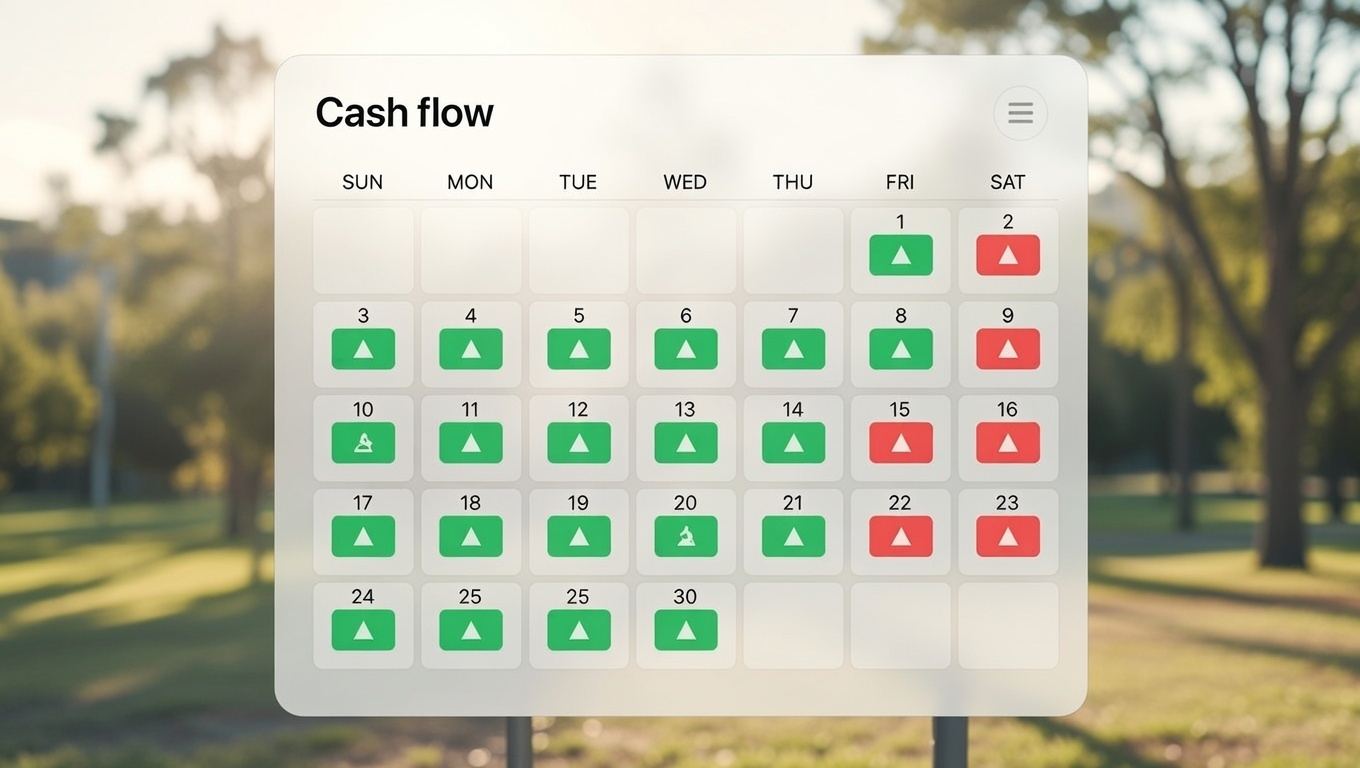
Tracking cash flow — even simply — gives you:
-
Fewer surprises
-
Better timing decisions
-
The ability to say no without panic
You stop reacting to your bank account and start planning around it.
That’s when stress drops, even if revenue stays the same.
Automation Isn’t About Being Lazy — It’s About Removing Failure Points
Automation gets misunderstood.
It’s not about replacing people or avoiding work.
It’s about removing steps where things regularly go wrong.
Small business examples:
-
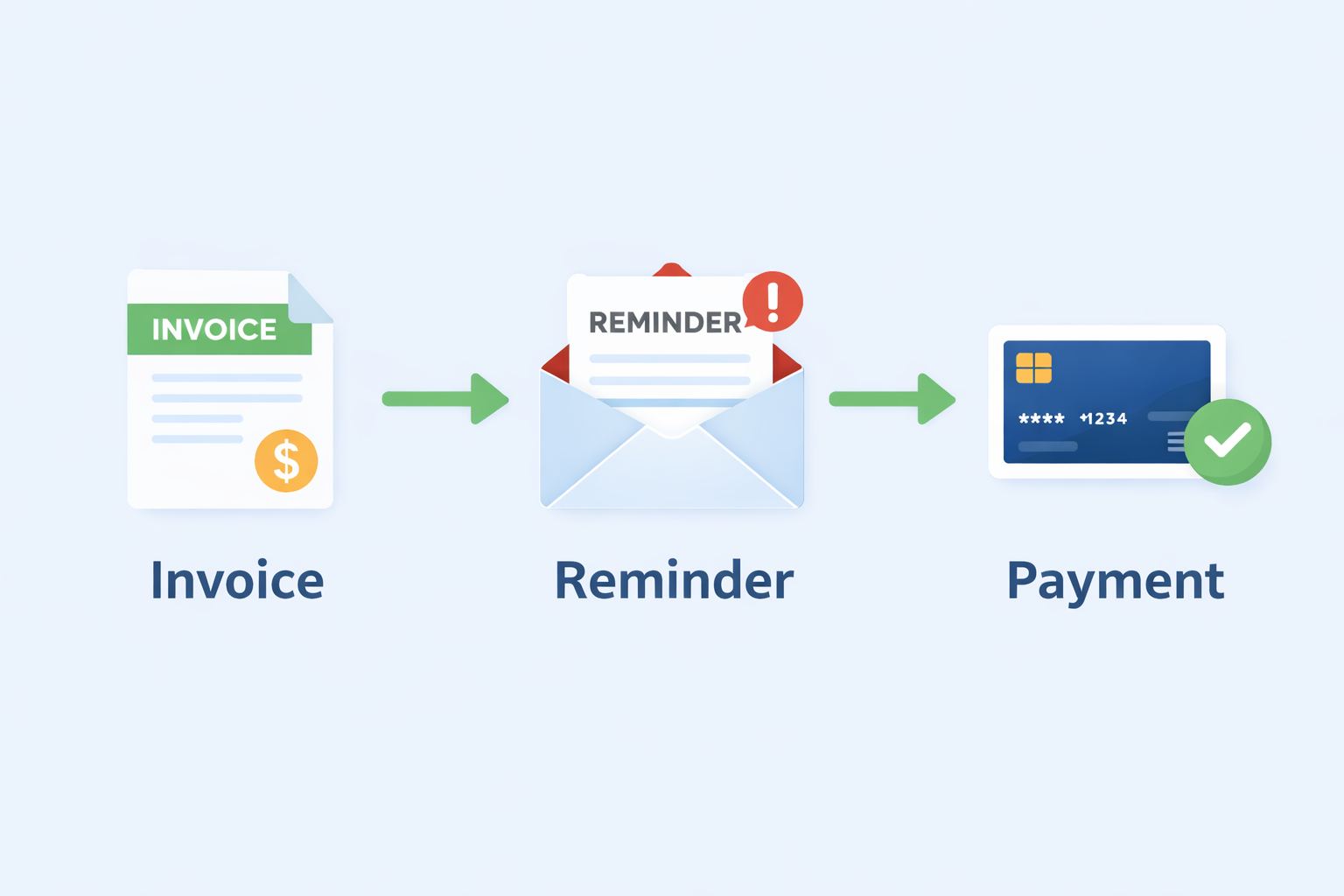
Invoices sent automatically instead of “later tonight”
-
Payment reminders that don’t feel personal or awkward
-
Follow-ups that happen even when you’re slammed
These systems don’t make you money.
They protect it.
The Compounding Effect Most Owners Miss
Each system alone feels minor.
CRM. Invoicing. Cash tracking. Automation.
None of them are exciting.
Together, they do something powerful:
They create predictability.
Predictability leads to:
-
Better decisions
-
Fewer emergencies
-
More leverage
And leverage is what separates businesses that grow deliberately from those that just react.
Why This Quietly Matters When You Need Capital
Most owners don’t think about financing until they need it.
That’s normal.
But here’s the part no one explains clearly:
Lenders don’t just fund revenue.
They fund clarity.
Businesses with:
-
Clean records
-
Predictable cash flow
-
Documented systems
Are simply easier to trust.
Not because they’re perfect — but because they’re understandable.

The Pattern Behind Businesses That Last
After watching enough small businesses, a pattern shows up:
-
Chaos works early
-
Growth exposes cracks
-
Systems replace memory
-
Cash becomes visible
-
Decisions slow down — in a good way
That’s usually when growth becomes sustainable.
Not flashy. Not viral.
Just solid.
Final Thought: Boring Is a Competitive Advantage
Most businesses don’t need a new idea.
They need fewer leaks.
The boring tools — CRMs, automation, cash tracking — don’t make good Instagram posts.
But they create space.
And space is where:
-
Better choices happen
-
Stress goes down
-
Growth becomes optional, not desperate
If you ever decide to grow faster, invest more, or apply for financing, those boring systems will already be doing half the work.
DISCLAIMER: This content is for informational purposes only. Gate Rock Capital and its affiliates do not provide financial, legal, tax or accounting advice.